
Profile
On January 16, 1920, the 18th Amendment was passed, stating "No person shall on or after the date when the 18th Amendment to the Constitution of the United States goes into effect, manufacture, sell, barter, transport, import, export, deliver, furnish or possess any intoxicating liquor except as authorized in this act." The new year of 1920 brought with it padlocks marring the landscape of saloons, taverns and clubs throughout the country. The age of Prohibition, from 1920-1933 when all alcohol was illegal, produced an era of finding innovative new ways to consume alcohol. Thus was born the underground institution of drinking in clandestine establishments called "speakeasies". The term comes from a patron's manner of ordering alcohol without raising suspicion – a bartender would tell a patron to be quiet and "speak easy". For every legitimate bar that was closed, several speakeasies cropped up. Secretly operating in places such as basements or abandoned buildings, the establishments had back entrances to let patrons in, but a secret password or special knock and membership card was required to gain access. With so many speakeasies springing up in the 1930's — nearly 100,000 in New York alone — each establishment had to set itself apart. By offering an endless supply of booze, music, gambling, acts like Cabaret singers and Vaudeville troupes, the speakeasy could draw more patrons and made these establishments a must-have experience in some
Photos
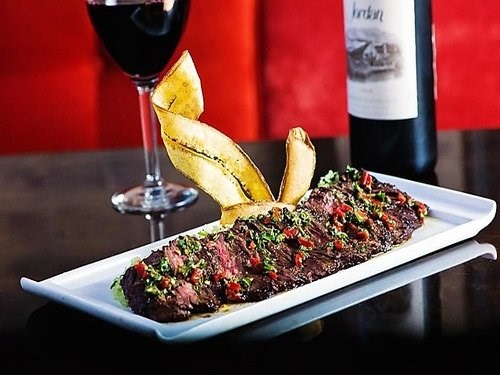
Prohibition Restaurant and Speakeasy
Map
Sorry, no records were found. Please adjust your search criteria and try again.
Sorry, unable to load the Maps API.